

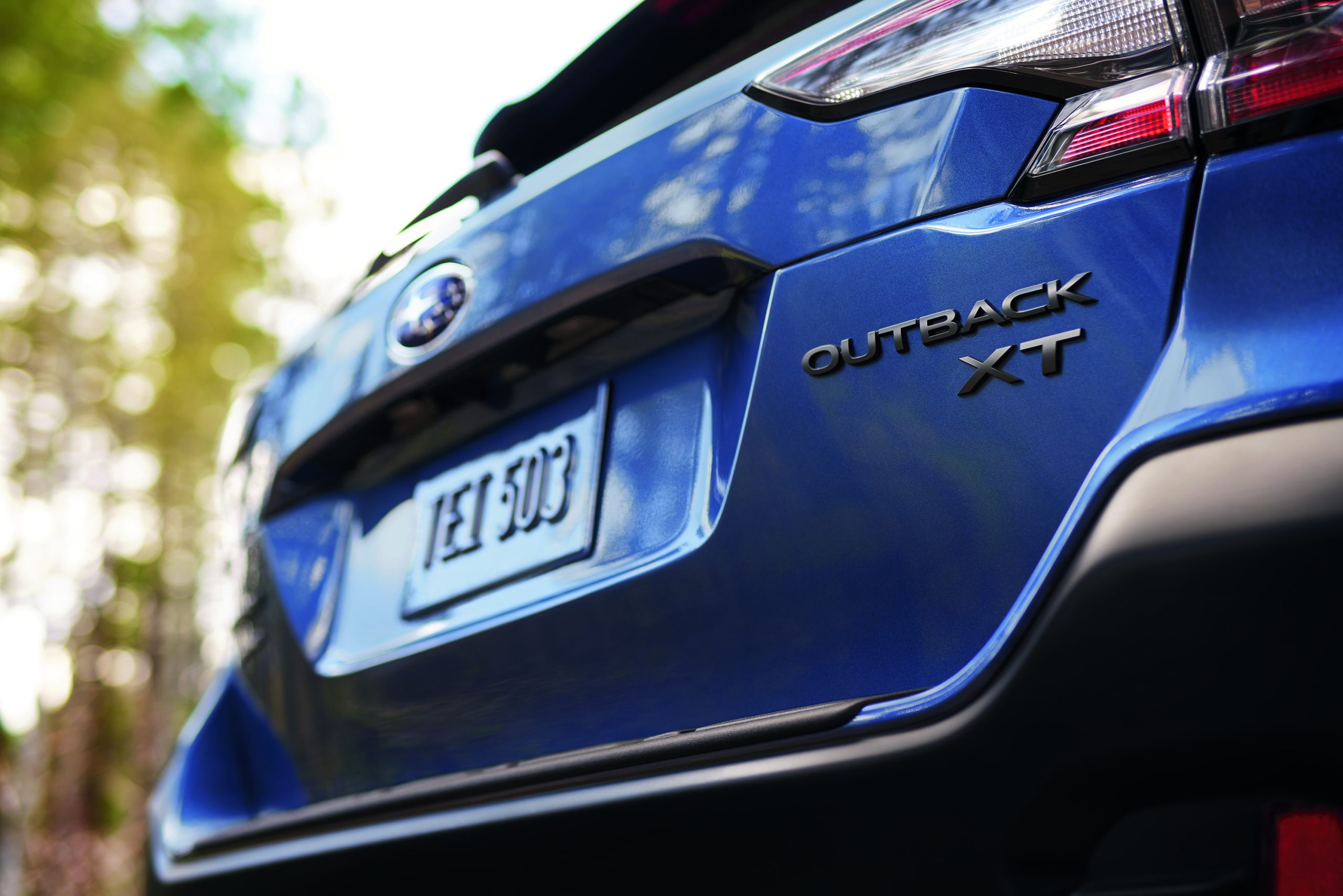
Are Subarus reliable? The answer, per the received wisdom in the car-buying community at least, is a clear “yes.” It’s good to know that this received wisdom is derived from a proven industry track record. There’s a caveat, however: This fabulous reputation only holds if the car gets its scheduled maintenance, which matters more when a college student is behind the wheel. “Reliable” means something different when the car is 90 minutes away at school and you’re not there to catch a funny noise before it becomes something definitely unfunny.
Where Subaru Officially Ranks
Are Subarus reliable enough to trust beyond brand reputation? The third-party numbers say yes, though they’re worth keeping separate rather than blended into one score.
Consumer Reports named Subaru the top brand on its 2025 Overall Brand Report Card for the second year running, a score built from road-test results, predicted reliability, owner satisfaction, and safety data. On reliability alone, Toyota reclaimed the top spot for 2025, with Subaru landing second: a score of 63 out of 100 against Toyota’s 66. Separately, RepairPal’s Subaru reliability rating lands at 3.5 out of 5.0, 14th out of 32 brands, with an average annual repair cost of $617: a bit below the $652 industry average.
Then there’s Subaru’s own number: 97% of Subaru vehicles sold in the last 10 years are still on the road today, pulled from registration data. It says something real about longevity, but it doesn’t prove every single car ran trouble-free. For a college buyer, the ratings above say more about day-to-day Subaru reliability than anything more specific.
What Makes a Subaru Hold Up
A few key engineering choices explain the brand’s reputation for rugged reliability:
- The “boxer engine” lays its cylinders flat and opposed instead of stacking them in a line, lowering the engine’s center of gravity and cutting the vibration that wears out mounts and seals over time.
- Symmetrical all-wheel drive comes standard on nearly every Subaru, not as a pricey trim upgrade, so the drivetrain gets the same engineering attention across the whole lineup.
- Subaru sells a narrower lineup than most brands, so technicians see the same platforms constantly and common issues get caught fast instead of guessed at.
These design and engineering choices are a big part of why the Subaru reliability rating holds up so well.
Browse our current new inventory to see which models are on the lot right now.
Is a Subaru a Good Car for a New Driver?
For a new driver headed off to school, the practical considerations matter as much as the ratings.
- Standard all-wheel drive means a first snowfall doesn’t turn into a lesson in oversteer. The system reacts to slip before most new drivers would even notice it.
- Subaru’s SUVs and hatchbacks are sized to be easy to see out of and easy to park, with thin roof pillars that help in a packed dorm lot.
- On safety, the 2026 Forester, Outback, and Ascent all earned the IIHS Top Safety Pick+ award, the organization’s highest rating.
Stop by the showroom to sit in a few trims and see how the visibility and sizing feel firsthand.
The Weak Points
Skipping this section would turn this guide into a brochure:
- Head gaskets were a real problem on the naturally aspirated 2.5-liter EJ25 engine: mainly 2000 to 2009 Legacy and Outback models, and 1999 to 2011 Forester and Impreza models, with failures often showing up between 100,000 and 150,000 miles. Subaru redesigned the gasket and had largely resolved the issue by 2012, so this is a used-model concern only. Turbo Subarus were rarely affected.
- The CVT, Subaru’s automatic transmission, draws mixed reviews. Earlier units, generally those built before the late 2010s, show up more often in shudder and valve-body complaints than newer ones, though it varies by model and even by VIN. Longevity comes down to fluid changes done on schedule and avoiding hard, repeated acceleration.
- First-time owners are often surprised that the CVT and rear differential need their own fluid changes, separate from the engine oil, and that spark plugs take longer to swap than on most cars; this is because the rear cylinder bank sits tucked against the frame rail, turning a quick job on an inline engine into extra labor on a Subaru.
What Reliability Costs to Maintain
Are Subarus reliable without any upkeep? Well, everything needs upkeep. Reliability is, in reality, a maintenance schedule someone has to follow:
- RepairPal puts the average annual repair cost at $617, a bit below the $652 industry average, with about 0.3 unscheduled shop visits a year versus 0.4 for the average vehicle.
- The bigger risk for a college car usually isn’t the car; it’s a student who skips an oil change during midterms or ignores a tire light because it’s easier than dealing with it between classes.
- The fix to all this costs nothing: Set up service reminders before move-in, and put the mileage intervals in both of your phones.
How Long a Subaru Realistically Lasts
How long do Subarus last, practically speaking, across four years of college?
A well-maintained Subaru can reach 200,000 to 250,000 miles. A student driving to campus, home for breaks, and to a part-time job might rack up 10,000 to 15,000 miles a year, or 40,000 to 60,000 across four years: a small fraction of that lifespan, even counting winter driving and parking-lot dings.
Subarus also hold their value well. Independent resale data puts the brand among the top few mainstream brands for 5-year retained value, usually just behind Toyota. A well-maintained Subaru at graduation is worth selling or trading in, not unloading for parts. So how long do Subarus last? It has less to do with luck than with regular maintenance.
What to Check Before You Buy
Before signing for a used Subaru, check for:
- Full service history, especially oil changes and CVT fluid services
- A pre-purchase inspection from a mechanic who knows Subarus specifically
- Remaining factory or powertrain warranty coverage
- Records showing the AWD system and differential fluids were serviced on schedule
If digging through paperwork isn’t appealing, a certified pre-owned Subaru is the lower-risk path. Every one passes a 152-point inspection and comes with a factory-backed 7-year/100,000-mile powertrain warranty and 24/7 roadside assistance, coverage a private-party used car won’t have.
Browse our current certified pre-owned inventory to see what’s available right now.
Reliability Is a Plan, Not Just a Car
Are Subarus reliable enough for a child living some distance from home? Yes, but reliability is never just about the car; it’s the car plus the maintenance behind it. Oil changes on schedule. CVT fluid that gets changed instead of ignored. Catching the small stuff before it becomes a big deal.
Ready to find the right fit? Browse our certified pre-owned Subaru inventory or contact our service department to set up a maintenance plan before move-in day.
Connect with us


- August 2026
- July 2026
- June 2026
- May 2026
- April 2026
- March 2026
- February 2026
- January 2026
- December 2025
- April 2025
- March 2025
- November 2024
- August 2024
- June 2024
- May 2024
- March 2024
- February 2024
- January 2024
- September 2023
- July 2023
- April 2023
- March 2023
- January 2023
- November 2022
- October 2022
- July 2022
- March 2022
- February 2022
- January 2022
- December 2021
- November 2021
- October 2021
- September 2021
- August 2021
- July 2021
- June 2021
- May 2021
- April 2021
- March 2021
- February 2021
- January 2021
- December 2020
- November 2020
- October 2020
- September 2020
- August 2020
- July 2020
- June 2020
- May 2020
- April 2020
- March 2020
- February 2020
- January 2020
- December 2019
- November 2019
- October 2019
- September 2019
- August 2019
- July 2019
Archives